
Over the October half term, over 50 Year 10 students embarked on an unforgettable journey to the WW1 battlefields of Belgium and France. Despite torrential rain for the first two days, spirits remained high, and the sun finally broke through for the last two days, making the experience even more memorable.
Throughout the trip we followed the stories of those who lived, fought and died during the war.
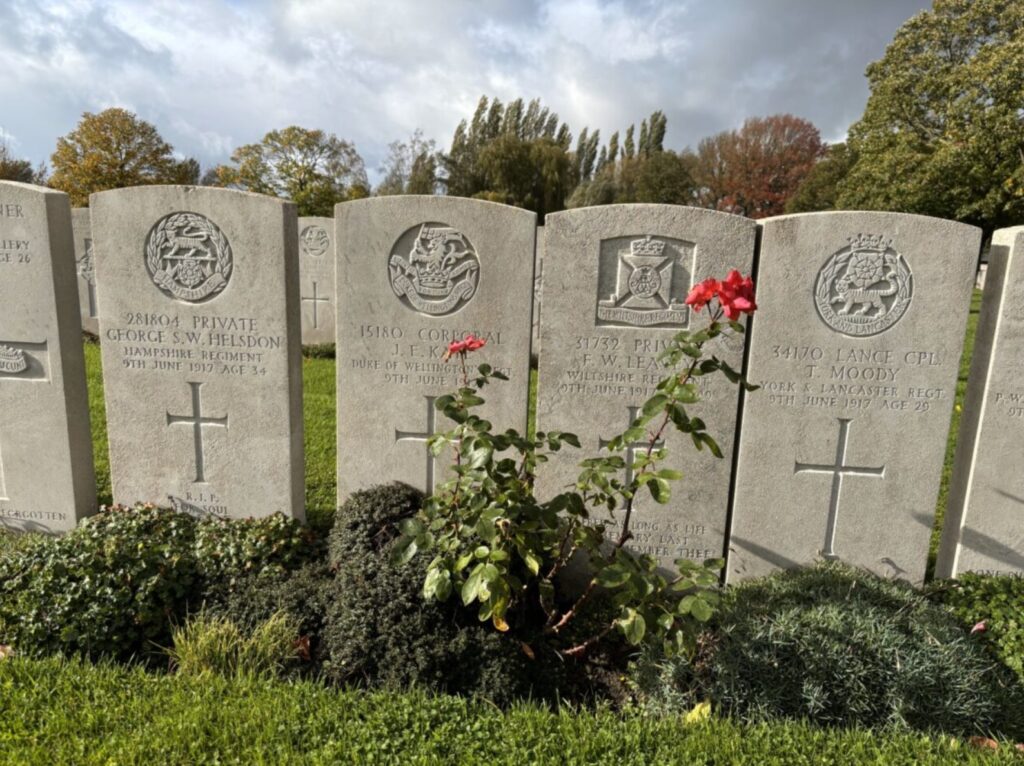
Our first stop of the trip was to Lijssenthoek Cemetery. A military hospital during the war, it is now home to over 10,000 men one woman, Staff Nurse Nellie Spindler. Nellie is one of only two woman to have died in the Ypres Salient during WW1. From here we visited the death cells and execution pole at Popperinghe where many deserters were shot at dawn. Here we heard the story of Private John Bennett, from the Hampshire Regiment, who was executed for cowardice despite clearly suffering from shell shock. Our last stop of the day before retiring to our accommodation was the Essex Farm Cemetery. Once a casualty clearing station and the inspiration behind John McRae’s poem ‘In Flanders Fields’ , it is now home to 1,200 soldiers. One of these is Valentine Strudwick who at the same age as many of the students on the trip lied about his age to fight for King and Country. He died in action at the age of 15.
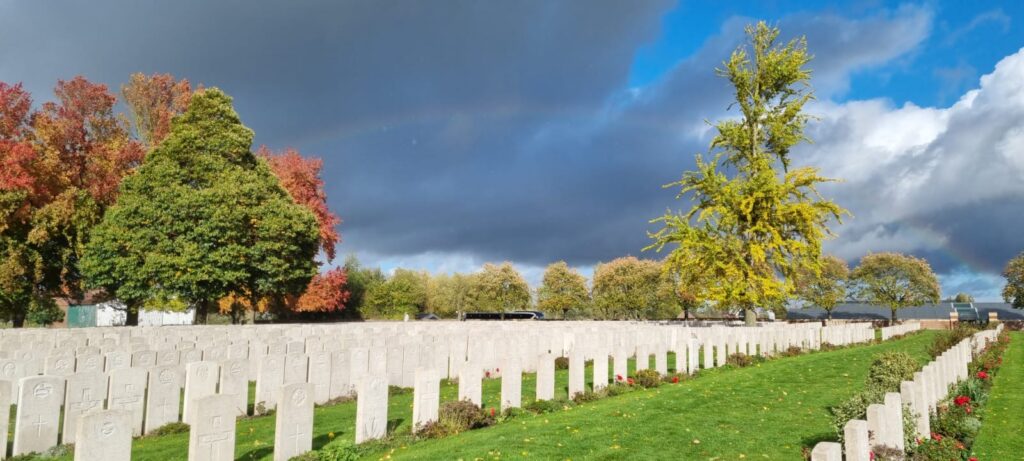
Day two began with a stark reminder of the loss suffered as we ventured through the gates of Tyne Cot. With 12,000 neat, white headstones on the once battlefield and the names of 34,000 missing soldiers inscribed on the walls; Tyne Cot is the largest British and Commonwealth Military Cemetery in the world. Each row is decorated with flowers from the soldiers home country giving a quaint English country garden feel. From here we visited one of four German cemeteries in the Ypres Sailent: Langemark. Far from the country garden feel of Tyne Cot, Langemark was one of our most shocking stops. Not only is the cemetery dark and bare, but it is home to 40,000 German soldiers with 25,000 of them being buried in a mass grave. One of these, Vernor Voss, was a talented pilot who was the recipient of Germanys equivalent to the Victoria Cross.
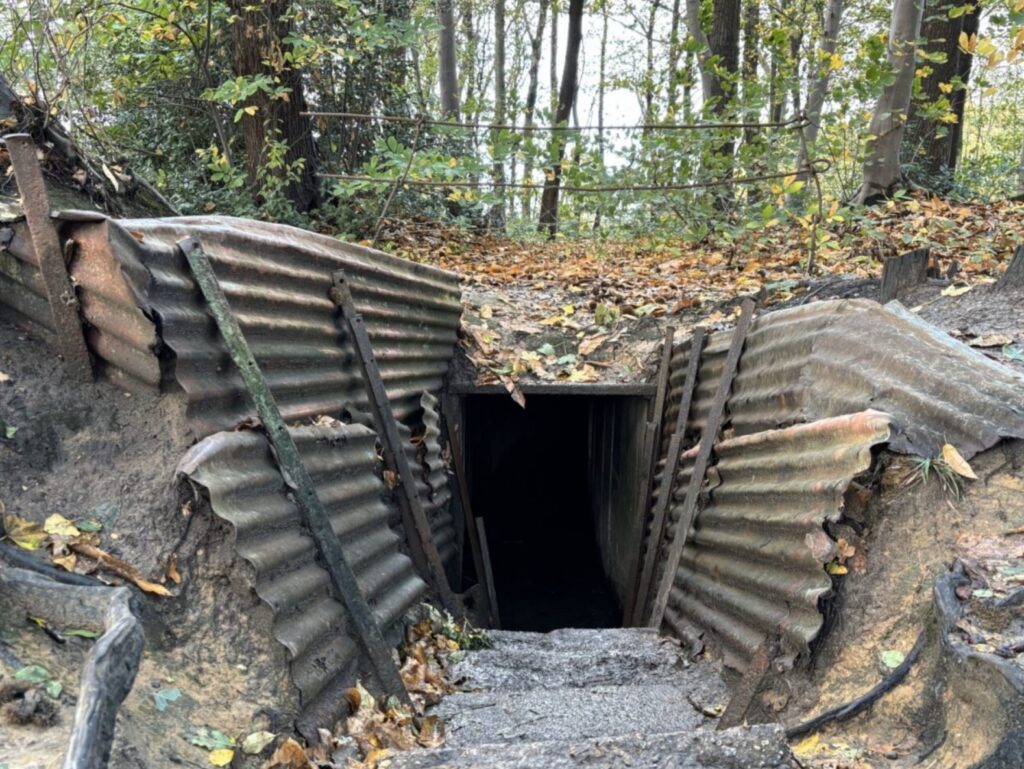
After a pit stop at a Belgian waffle shop in Ypres, we went chocolate shopping, explored the In Flanders Field Museum and wandered the trenches at Sanctuary Wood. From here we returned to our accommodation, the Peace Village, which is situated on one of the known battlefields where the English and German soldiers stopped fighting, laid down their weapons and took part in a game of football on Christmas day in 1914. The Peace Village is now dedicated to Hope, Peace and Reconciliation as a permanent reminder to what can be achieved. Our students were incredibly fortunate to be able to play football in the same location as this remarkable event. That evening we went out for a well deserved meal at a local restaurant, before spending the evening at the incredibly emotional Last Post ceremony at the Menin Gate, which is a memorial to 54,000 missing soldiers in the Ypres Sailent. During the ceremony three of our students laid a poppy wreath on behalf of staff and students at The Henry Beaufort School.
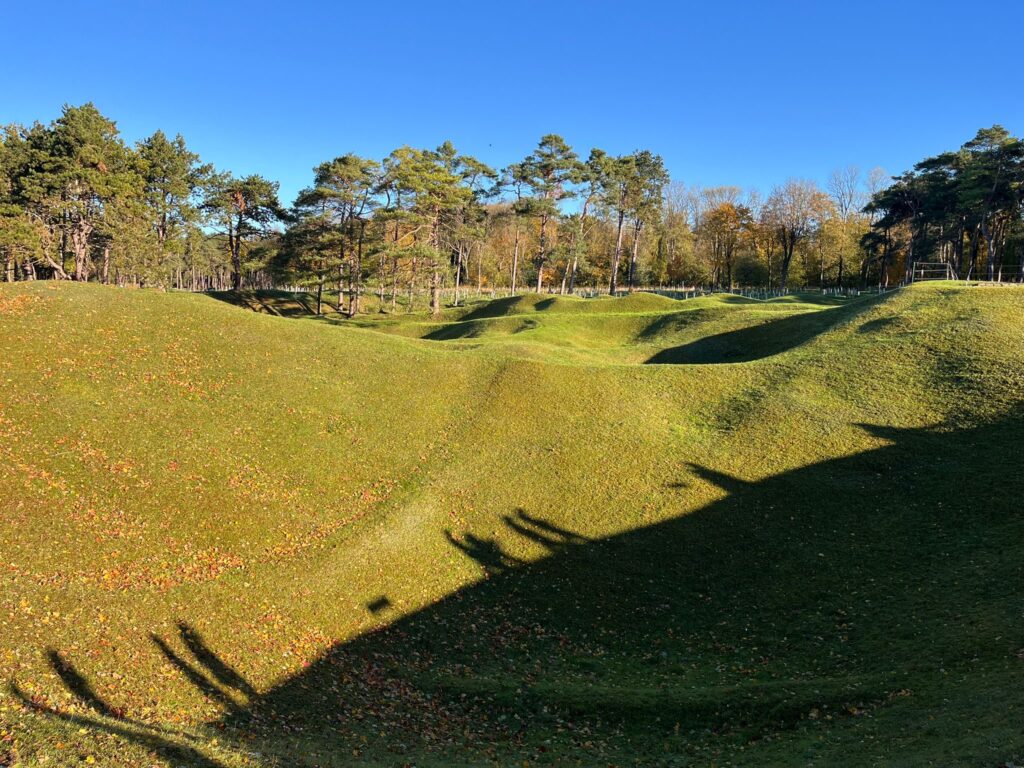
Day three saw an early start as we drove to France to visit Vimy Ridge, Thiepval and the Lochnagar Crater. At Vimy Ridge we went deep underground on a guided tour of the tunnels used by the Canadians, French and British as they fought the Germans here to gain control of the ridge. After lunch we visited Thiepval, the largest memorial to the missing in The Somme with the names of 74,000 soldiers commemorated here. Here we heard the story of former Saints footballer Cecil Christmas. Our final stop of the day was Lochnagar Crater – the largest crater made by man in anger at 30 metres deep and 100 metres wide. Now a memorial for those who died there, it is dedicated to Peace, Fellowship and Reconciliation. Our school has a plaque here commemorating Private John Bennett who was shot at Dawn.
It’s hard to comprehend the events of the first world war, particularly the scale of it and the magnitude of the places we visited. As always, our students were their usual fantastic selves—engaged, respectful, and a credit to the school. Year 10 did us proud at every possible opportunity, whether it be by laying a wreath on behalf of the school during the Last Post ceremony at the Menin Gate, standing around for an hour waiting for it to start or by demonstrating the utmost respect for the lives lost at each of the locations that we visited.